A Simple Guide to UK Corporation Tax for Small Businesses (and How to Claim Loss Relief)
Running a small business in the UK? Then understanding corporation tax is super important. It’s one of those legal issues you need to get right as a limited company — but it’s not just about ticking boxes. Knowing how corporation tax works can actually help you save money, especially if you’re facing tough years or losses. Whether it’s your first time filing or you want to make sure you’re using all the exemptions you’re entitled to, this guide explains it all in plain language.
What exactly is Profit Tax?
Corporate tax is the tax your company pays on the profits it makes. This includes money from:
- Your commercial activities (selling products or services)
- Investments held by your company
- Capital gains, for example if you sell property or equipment for a higher price than you paid
Unlike personal tax, there is no “tax-free allowance” for companies — you pay tax on every penny of profit.
How much Income Tax will you pay?
For the 2025/26 tax year, the rates apply based on your profits:
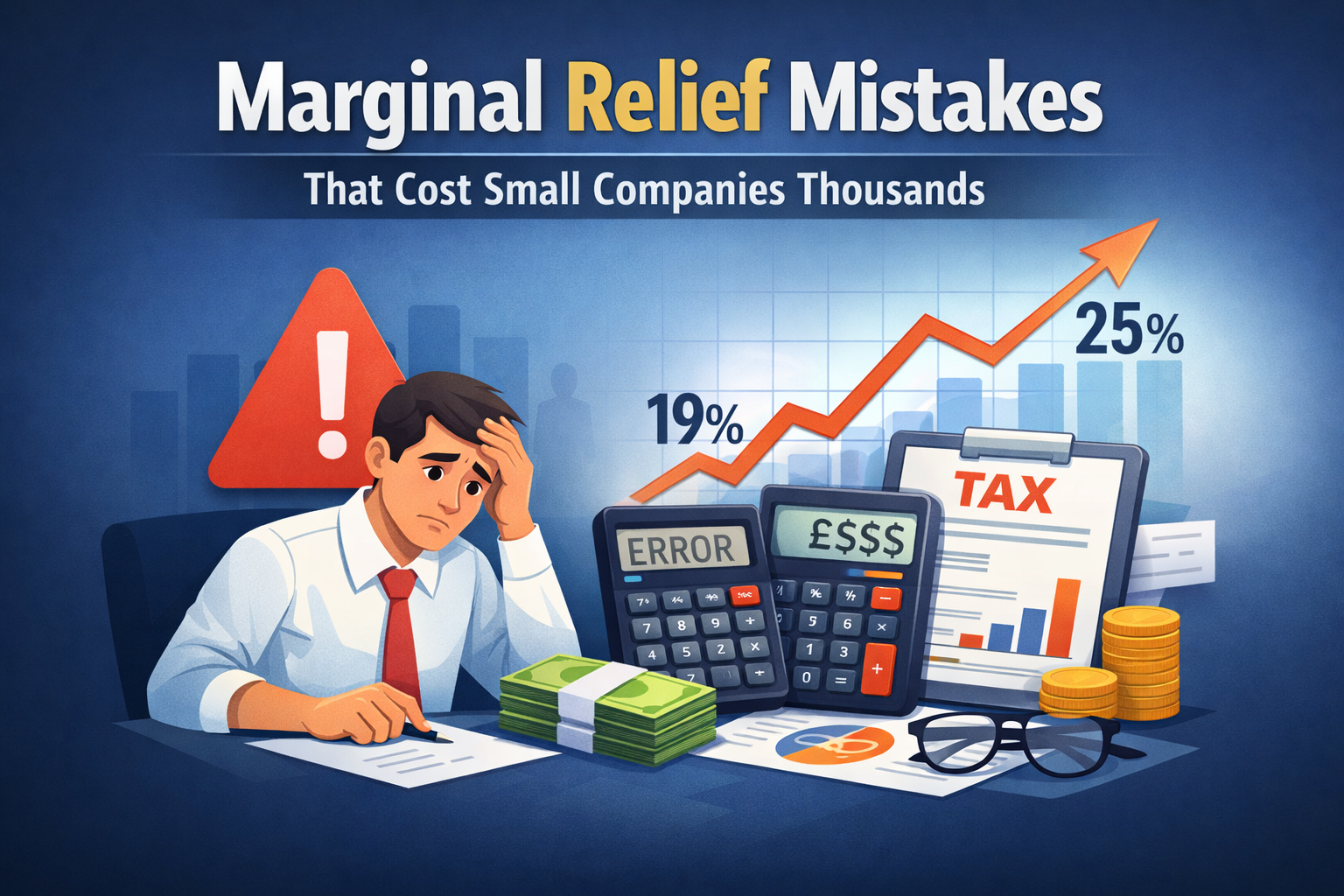
- 19% for profits up to £50,000
- 25% for profits over £250,000
- If your profits fall between £50,000 and £250,000, the marginal relief applies — this basically evens out the tax rate between the two thresholds.
So, if your business is small and your profits are modest, you will most likely pay the 19% rate.
When do you have to file and pay?
You must file your Company Income Tax Return (called CT600) within 12 months of the end of the accounting period. But here’s the catch: you must pay your income tax within 9 months and 1 day of the end of the financial year.
Failure to meet these deadlines can result in penalties, so staying organized is key.
What happens if your business makes a loss?
Nobody wants to lose money, but it happens — and fortunately, UK tax rules offer some useful options if your business makes a loss:
- Carry Forward Losses
- You can carry forward losses to offset them against future profits. This means less tax to pay in the future.
- Example: If you make a loss of £10,000 in 2025 but make a profit of £15,000 in 2026, you only pay tax on £5,000 in 2026.
- Carry Back Losses
- You can also carry losses back a year to recover tax you’ve already paid, which can be a big boost to your cash flow.
- Terminal Loss Relief
- If your company closes, you can claim terminal loss relief to carry losses back up to 3 years and potentially get a tax refund on previous profits.
- Group Relief
- If your business is part of a group, losses from one company can be used to reduce the tax bill of another profitable company in the same group.
How do you claim exemption for losses?
You usually claim the loss relief through your Company Income Tax Return. Sometimes you will also need to submit a written claim to HMRC. Note that most claims must be made within 2 years of the end of the accounting period in which the loss occurred.
Do you need help with taxes or loss relief?
Understanding corporate tax and making the most of your loss allowance isn’t just about staying within the law — it can really impact the financial success of your business. If you’re feeling overwhelmed or simply want to make sure you’re not missing out, then the right advice is essential.
At Super Financial , we specialize in helping small businesses like yours:
- Get the best possible tax strategy
- Claim all loss relief to which they are entitled
- Stay compliant with HMRC without the hassle
- Focus on business growth, not bureaucracy
Whether you’re filing your first return or want to learn how to use past losses to your advantage, our experienced team is ready to help you make smart, confident decisions.
Visit us at www.superfinancial.co.uk or connect with us on LinkedIn: Super Financial Limited
Are you looking for an accountant in the UK?
We have offices open in Leyton, Burnt Oak, Luton, Manchester, Milton Keynes and Northampton.